
Places
Waiheke Island & the Hauraki Gulf by Boat
A local's guide to Auckland's island playground by private boat — Waiheke's vineyards and beaches, Rangitoto's lava fields, Tiritiri Matangi's birdsong and the quiet anchorages in between.
Waiheke Island & the Hauraki Gulf by Boat
Destination
Auckland
Category
Places
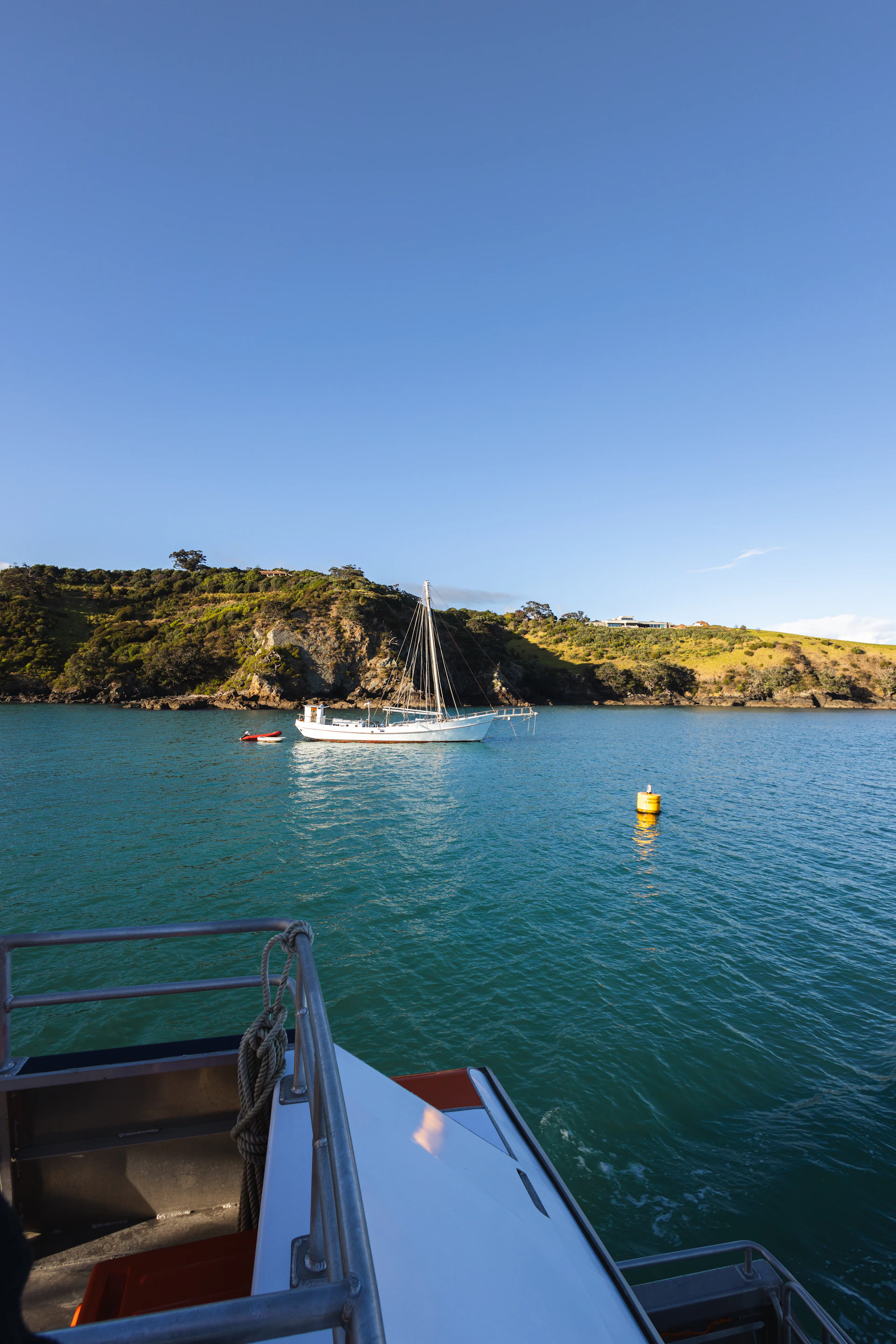
Auckland wears its nickname honestly. The City of Sails sits on a narrow neck of land with water on both sides, and on any fine weekend the sea east of downtown is scattered with white sails, all heading the same way — out into the Hauraki Gulf. This broad, sheltered spread of ocean, protected as the Hauraki Gulf Marine Park and dotted with dozens of islands, is Auckland's true backyard. Locals measure a good summer by how much of it they spent out there.
Most visitors only ever sample it one ferry ride at a time: out to Waiheke for the day, back on the evening boat, timetable in hand. A private boat rewrites the whole experience. The vineyard island, the volcano, the bird sanctuary and the quiet swim coves stop being separate excursions and become chapters of a single day, taken in whatever order the weather and your mood suggest.
The gulf on the city's doorstep
Few cities in the world have anything like this within sight of their downtown wharves. The gulf opens out the moment you clear the harbour, and the distances are short: Rangitoto's cone stands guard at the harbour entrance, Waiheke sits within easy reach beyond it, and a string of smaller islands fills the water between. Because the gulf is largely sheltered from the open Pacific, the water inside it is generally kind, and there is almost always a lee shore somewhere — which is why a good skipper can find you calm, swimmable water on all but the wildest days.
Waiheke: vineyards down to the water
Waiheke Island is the gulf's headline act, and it earns it. About forty minutes from the city by ferry, it is an island of vineyards, olive groves and beaches, with a settled, sun-struck character that feels much further from a big city than it is. Oneroa, at the western end, is the island's main village, sitting above a lovely curve of sand; along the northern coast, Palm Beach and Onetangi — the island's longest beach — run in golden succession. At the quieter eastern end, Man O' War Bay is the picture that sells the island: vines running down towards a calm, east-facing bay that is simply made for arriving by boat.
This is where a private charter pays for itself. The ferry lands you at one wharf on a schedule; a boat lets you swim off a northern beach in the morning, drop anchor for a long lunch, and still see the eastern bays in the afternoon light. Waiheke by water is a different island to Waiheke by bus.
Rangitoto and Motutapu: fire and farmland
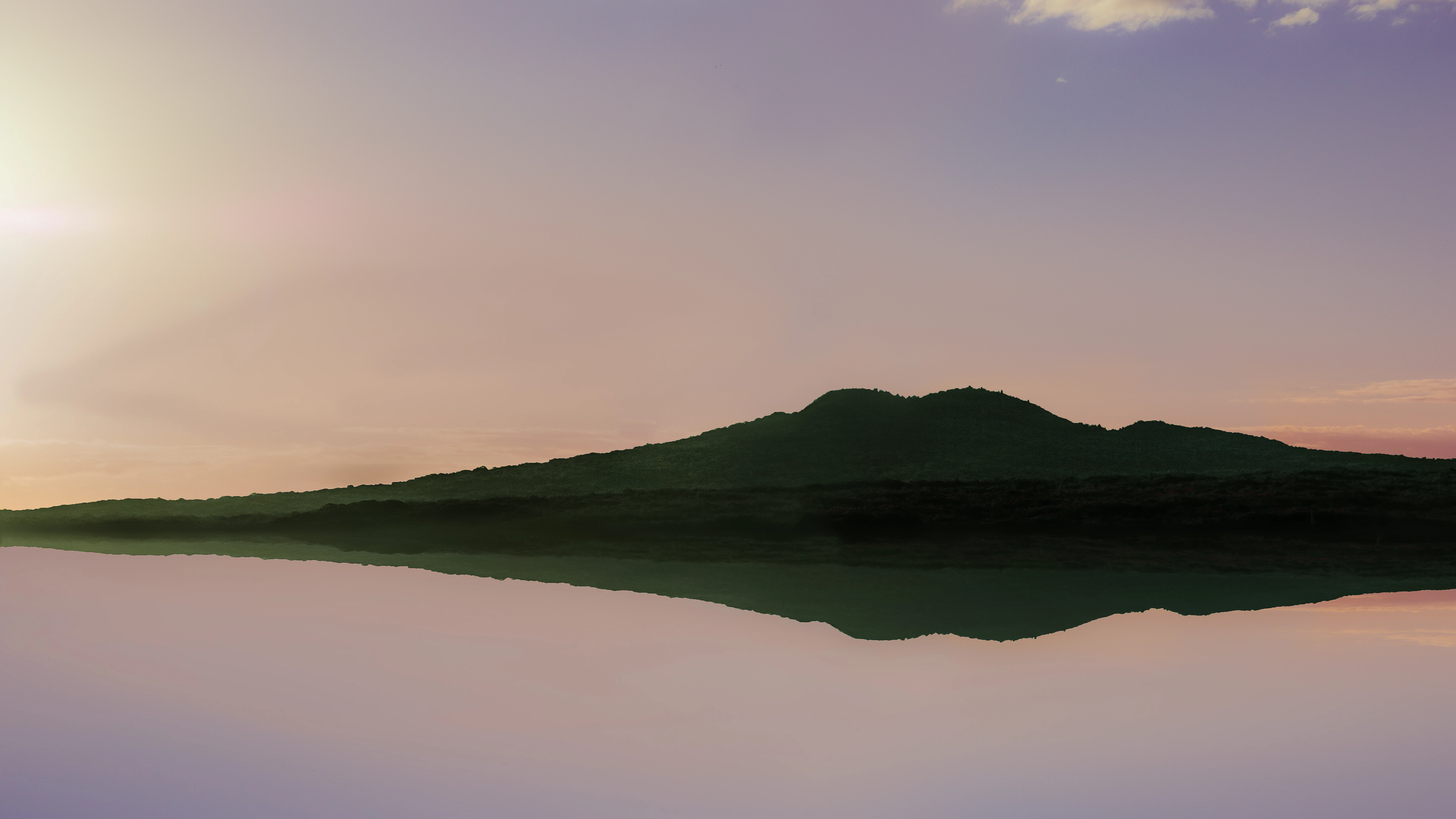
The gulf's oddest couple sits closest to the city. Rangitoto is the youngest volcano in the Auckland field — it rose from the sea only around six centuries ago — and its low, symmetrical cone is the shape every Aucklander doodles without thinking. Up close from the water it is stranger and better: black lava shorelines with pohutukawa forest growing straight out of the rock.
Joined to it by a causeway is Motutapu, which could not be more different — a far older island of soft green farmland, all rolling pasture where Rangitoto is raw stone. Between the two, Islington Bay is one of the gulf's classic sheltered anchorages, a calm pocket of water with the volcano on one side and the farm on the other. It is a superb swim stop, and a very Auckland kind of view.
Rotoroa and the quiet islands
Past Waiheke's western end lies one of the gulf's best recent stories. Rotoroa Island spent around a century closed to the public as a Salvation Army treatment facility, and only opened its beaches in 2011 — which is why it feels so untouched. Today it is a conservation and heritage island with sandy swimming bays and walking trails, and by boat it makes a wonderfully quiet counterpoint to Waiheke's buzz. Nearby, pest-free Motuihe Island offers more sand and clear water, and on a summer weekday you can have stretches of this coastline nearly to yourself.
Tiritiri Matangi: the island you hear first
At the northern side of the gulf, off the Whangaparaoa Peninsula, sits Tiritiri Matangi — one of New Zealand's great conservation successes. It is an open sanctuary: a predator-free island replanted by volunteers over decades and now alive with rare native birds, among them the takahe and the kokako, along with bellbirds and tui in raucous numbers. On a still day the birdsong genuinely carries out over the water.
Because keeping predators out is everything, landing is governed by strict biosecurity rules. If stepping ashore matters to you, raise it with your operator when you plan the day so it can be arranged properly; otherwise, a slow cruise along its shore, engine low, is its own reward.
Marine life, honestly
The Hauraki Gulf is a genuinely rich piece of ocean. Bryde's whales live in these waters year-round, common dolphins turn up regularly, orca pass through on their rounds of the coast, and the gulf is internationally significant for its seabirds — watching gannets fold their wings and spear into the water near the boat is a show that never gets old. But wild animals keep their own diary. Some days the gulf performs; other days it simply glitters. No skipper can promise a dolphin, and the honest way to treat any sighting is as a gift on top of an already good day.
Why a boat beats the ferry
The ferries do one thing well: they take you to a wharf. A private boat gives you the gulf itself — your own schedule, a swim stop wherever the water looks best, and three or four bays in a day instead of one. When a beach gets busy you lift the anchor and move; when the light turns golden off Rangitoto you slow down and stay. Your skipper reads the wind and builds the running order around it, which is exactly how locals do the gulf.
Planning your day on the gulf
The gulf rewards a full day — enough time for Waiheke and a volcano, a proper lunch and more than one swim. Auckland charters on Ahoy Days run as full-day experiences, and every listing shows a live rate, its licensed capacity and its inclusions, and books online. Start with the Auckland destination page, pick a boat that fits your group, and let the City of Sails show you why it got the name.
Ready to plan the best day of your holiday?
Browse the Sydney fleet and start planning your day on the harbour.
Browse Available Boats